Chablis
The
Chablis AOC covers some 5,800 hectares of the
Chablis vineyards in Burgundy.
Chablis is a small village of 2,500 inhabitants in the Yonne department. According to historical sources, monks planted the first vines in this village in 1113. Today, these terroirs produce the premier and grand crus of this world-famous appellation. In this guide, you'll find an overview of the
Burgundy Chablis appellation's terroir and its best producers.
- ----> show +/-
The wine-growing terroir of the Bourgogne Chablis appellation
The decree of January 13, 1938 defines the production areas for
Chablis appellation wines. This appellation is divided into Petit
Chablis,
Chablis Village and
Chablis Premiers Crus, with
Chablis Grands Crus all made from the Chardonnay grape variety.
Chablis Grands Crus face north-east in the upper reaches of the Serein valley, at altitudes ranging from 100 to 250 m. The Grands Crus plots are divided into 7 climats, including Blanchots, les Clos, Bougros, les Preuses, Grenouilles, Vaudésir and Valmur. The Premier Cru appellation is divided into 40 climats. The word "climat" refers to a well-defined parcel of vines with its own history and its own climatic and geological characteristics.
The terroir of this appellation refers to the Kimmeridgian soil. This geological origin, alternating marl and marly limestone, dates back some 150 million years. It is responsible for white wines of exceptional quality: perfumed with aromas of white flowers and lemon, limpid, bouquet, dry with notes of fatness and minerality. The climate is semi-continental, with long, harsh winters and hot, sunny summers. Chardonnay is the only grape variety permitted in this appellation.
Our selection of the best producers in the Chablis appellation:
-
François Raveneau: this 9.5-hectare estate is the most prestigious in the appellation. It was founded in 1948 by François Raveneau. His sons now carry on the family tradition. The estate's wines are racy, exceptional because its production is almost entirely made up of Grands Crus (Blanchot, Les Clos and Valmur) and Premiers Crus (Montée de Tonnerre, Les Vaillons, Butteaux, Chapelot, Mont-Mains and Forêt). Available in limited quantities. These wines are among the most sought-after and sought-after in the world, each with its own character, but always of the highest quality. They generally have a fabulous structure, with floral, mineral and smoky notes on the nose, and a taut, intense palate when young. With age, they reveal a new dimension, gaining in richness, concentration and depth.
-Laurent Tribut: this benchmark Chablis producer is René Dauvissat's son-in-law. He produced his wines in Dauvissat's cellars for many years, but has recently taken possession of his own cellars in Poinchy. His estate covers 7 ha. It includes three Premiers crus: Beauroy, Côte de Lechet and Montmains. The winemaking process is traditional. Laurent Tribut also prefers not to intervene in the cellar and to let nature take its course. His wines are pure and express his terroir beautifully. They express the roundness of Chardonnay combined with the mineral layers of Chablis terroirs. On tasting, these inimitable wines with their light, luminous color have a beautiful minerality and depth, while ensuring a perfect balance between acidity and fatness. On the nose, they reveal complex, attractive aromas of white flowers, almonds and citrus fruit. These white wines can be kept for 3 to 7 years. The subtlety and complexity of its aromas predestines it for high-class dishes such as lobster, turbot fillets, lobster and more.
-
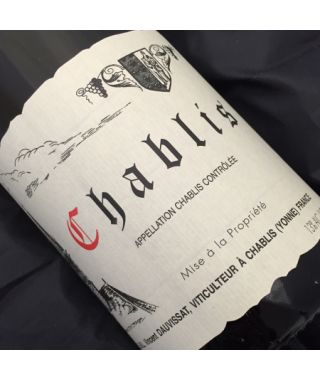
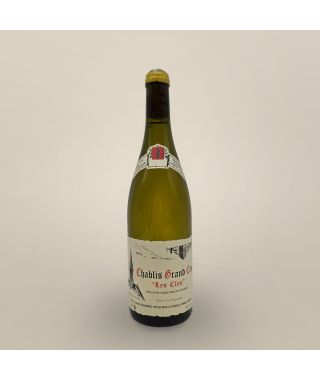
Vincent Dauvissat: this family estate is surely the most emblematic in this appellation. Robert Dauvissat founded it in 1920 and passed it down from father to son for 3 generations. The 12-hectare estate is currently run by Vincent Dauvissat. The vineyard is divided between two Grands Crus and three Premiers Crus. Yields are limited and vinification procedures are meticulous. The vines are cultivated using biodynamic methods. They also intervene very little in the winemaking process to enable the wines to retain the expression of their terroir and benefit from good ageing potential. Wines from this estate are renowned for their beautiful minerality, length and purity of finish. Very small production runs and rising demand are reflected in the price of these wines. Enthusiasts are snapping up old vintages at a premium. Take a look around our site to discover the bottles of these
Chablis estates for sale.