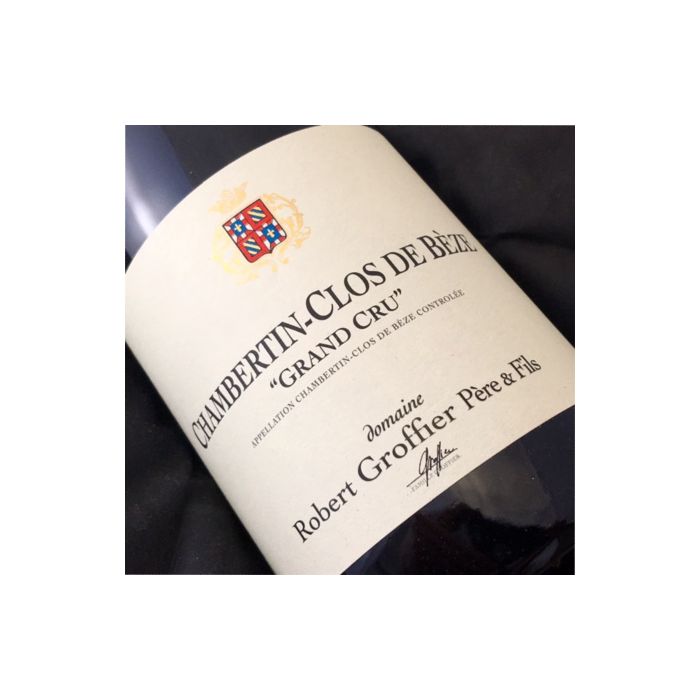
Chambertin-Clos de Bèze is a physically delimited Grand Cru appellation whose parcel area corresponds exclusively to the "Clos de Bèze" lieu-dit in Gevrey-Chambertin. The terroir occupies an east-facing hillside, with piedmont plots at the heart of a small amphitheater. The shallow, well-draining, carbonated clay-limestone soils combine scree, clays, and red silts. They primarily overlie a Bajocian substratum of crinoidal limestone and marly levels.
- Vineyard commune
- Gevrey-Chambertin
- Origin of the vineyard name
- The name "Clos de Bèze" recalls the former wine estate of the Abbaye de Bèze, which owned the site as early as the 7th century; the term "clos" has survived despite the disappearance of its walls.
- Exposure
- Levant, generally east-facing
- Slope
- Piedmont, at the heart of a small amphitheater
- Soil
- Shallow, carbonated, and well-draining clay-limestone soils, with scree, clays, and red silts.
- Subsoil and geology
- Plateau of hard Bajocian crinoidal limestone, with marly levels; Bathonian towards the upper part.
Le domaine dans cette parcelle
- Estate holding in the vineyard (ha)
- 0.420000 ha
- Year the vineyard was acquired
- 1953
- Vineyard holding status
- Owner; upper part vinified and labeled Chambertin since 2022
- Indicative vine age
- Nicolas Groffier indicates vines are 110 years old.
Histoire de la parcelle
Clos de Bèze has been known since the 7th century, and the BIVB dates its entry into history to 640 as a monastic property of the Abbaye de Bèze. It was transferred to the Chapter of Langres in the early 13th century, then remained in the hands of the canons until the French Revolution, when it was divided among multiple owners. The Chambertin-Clos de Bèze appellation d'origine contrôlée was recognized by the decree of July 31, 1937; its delimited parcel area corresponds exclusively to the lieu-dit Clos de Bèze.