




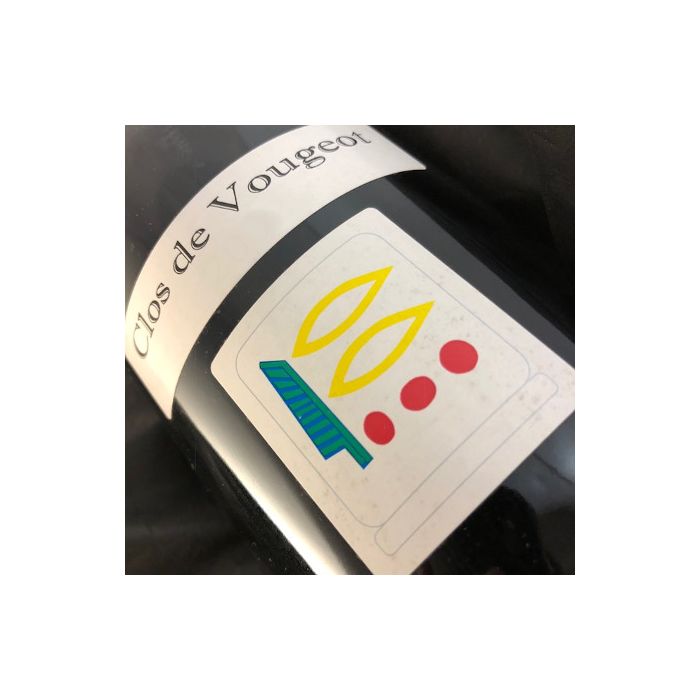
Domain Prieure Roch Clos Vougeot 2021 Bottle (75cl)
Domaine Prieuré Roch Clos de Vougeot 2021 is a red wine from Burgundy, a Grand Cru of Vougeot, crafted exclusively from Pinot Noir. Coming from the estate's parcel within the Clos de Vougeot, located in the "terroir royal", it stems from 0.6236 hectares of vines aged 45 to 85 years. The estate farms its vineyards without synthetic products and practices whole-cluster vinifications with no added sulfites. The cuvée is described by the estate as powerful, clean, and structured.
La bouteille proposée
- Size
- Bottle (75cl)
- Label Condition
- Perfect
- Fill Level
- Perfect
- Capsule Condition
- Perfect
Identité du vin
- Couleur
- Red
- Pays
- France
- Région
- Bourgogne
- Appellation
- Vougeot
- Producteur / Domaine
- Domaine Prieuré Roch
- Parcelle / Cru
- Clos de Vougeot
- Millésime
- 2021
Cépage et assemblage
- Grape Variety
- 100% Pinot Noir
Domaine Prieuré Roch
Founded in 1988 by Henry-Frédéric Roch, Domaine Prieuré Roch is based in Premeaux-Prissey, in the Côte-d’Or. Its vineyard, covering approximately 20 hectares, is spread across the Côte de Nuits and the Côte de Beaune, notably in Nuits-Saint-Georges, Gevrey-Chambertin, Vosne-Romanée, Vougeot, Ladoix and Savigny-lès-Beaune. The estate, managed by Yannick Champ, cultivates, amongst others, the monopoles of Clos des Corvées, Clos des Varoilles and Clos Goillotte.
- Owner
- Financière Henry R. et Chrystelle Roch
- Maître de chais
- Antonio Quari
- Surface (ha)
- 20.00 ha
- Production (average bottles per vintage)
- environ 50 000 bouteilles/an
Histoire du domaine
Henry-Frédéric Roch founded Domaine Prieuré Roch in 1988. He gradually developed the vineyard using cultivation and winemaking methods that avoid synthetic products. Shortly after the estate was founded, he acquired the Clos Goillotte, a 0.55-hectare plot situated in Vosne-Romanée. The estate now comprises around 20 hectares of vineyards spread across Gevrey-Chambertin, Vosne-Romanée, Vougeot, Nuits-Saint-Georges, Ladoix and Savigny-lès-Beaune. Yannick Champ met Henry-Frédéric Roch in 2002, before joining the estate as cellar master in 2005. He became estate manager in 2008 and co-manager in 2010. Following the death of Henry-Frédéric Roch in November 2018, Yannick Champ took over the management of the estate. Antonio Quari is designated by the estate as head winemaker, responsible for overseeing winemaking and ageing. The business is currently owned by Financière Henry R. and Chrystelle Roch, whilst Yannick Champ also serves as managing director.
Clos de Vougeot
The Clos de Vougeot is a vast, single-piece vineyard enclosure, surrounded by walls and located at the foot of the Côte de Nuits slope, in the commune of Vougeot. Its terroir varies markedly from top to bottom: thin, gravelly soils on Bajocian limestone in the upper part, more clayey brown soils on limestone debris in the middle, and deeper, clayey and silty soils on a marly layer in the lower part. The site simultaneously constitutes a physically demarcated Burgundian climat and the emblematic parcel area of the AOC Grand Cru Clos de Vougeot or Clos Vougeot.
- Vineyard commune
- Vougeot
- Origin of the vineyard name
- "Clos" designates the vineyard historically enclosed by walls; "Vougeot" takes up the name of the place, linked to the Vouge which marks a historical boundary of the estate.
- Altitude
- 240–265 m
- Slope
- gentle, average of about 3.8%
- Soil
- At the top, shallow, granular soils rich in gravel; in the middle, shallow, more clayey brown soils on limestone debris; at the bottom, deeper brown soils rich in clay and fine silt.
- Subsoil and geology
- Jurassic complex; Bajocian limestone slab in the upper part, limestone debris in the middle, and marly layer in the lower part, with the influence of superficial formations linked to the outlet of the combe d'Orveau.
Le domaine dans cette parcelle
- Estate holding in the vineyard (ha)
- 0.624000 ha
- Indicative vine age
- Three documented planting phases: 1929, 1949 and 1969.
Histoire de la parcelle
The wine estate was gradually established by the Cistercian abbey of Cîteaux starting from the early 12th century; a medieval agreement set boundaries that have remained almost unchanged, and the wall was built before the end of that century. The farm buildings were developed from the 12th to the 15th century, then complemented in 1551 by the Renaissance residence that became the château du Clos de Vougeot. The abbey kept the estate until the Revolution; the buildings and vineyards were confiscated and then sold as national property in 1791, subsequently leading to the fragmentation of the property. The appellation d'origine contrôlée Clos de Vougeot or Clos Vougeot was recognized by decree on July 31, 1937.


