




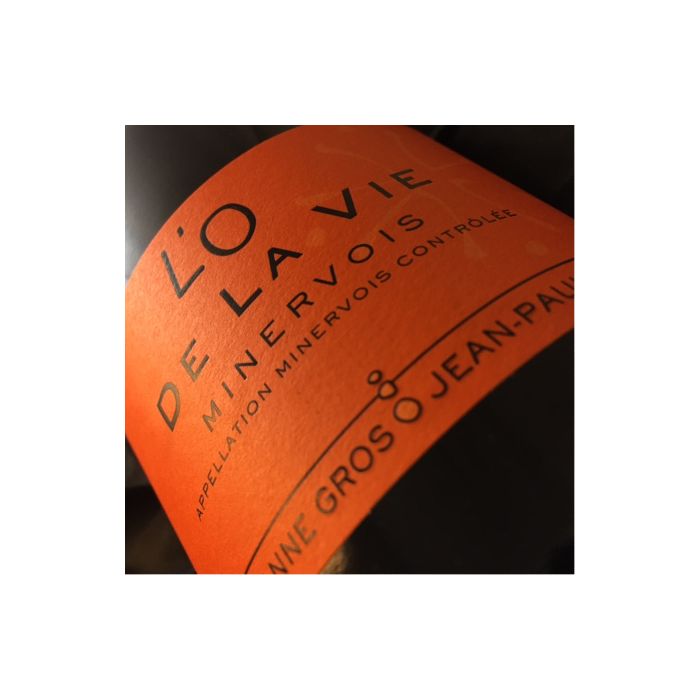
Anne Gros et Jean Paul Tollot Minervois L'O de la Vie 2016
Anne Gros et Jean-Paul Tollot L’O de la Vie 2016 is a red wine from the Minervois appellation in Languedoc, crafted by Domaine Anne Gros et Jean-Paul Tollot. Its blend brings together Carignan, Grenache, and Syrah. The cuvée originates from parcels located on a hillside of clay and limestone bordering the Ruisseau de la Vie stream, which gives the wine its name. The grapes are hand-harvested, destemmed, and then vinified in stainless steel vats.
La bouteille proposée
- Size
- Bottle (75cl)
- Label Condition
- Perfect
- Fill Level
- Perfect
- Capsule Condition
- Perfect
Identité du vin
- Couleur
- Red
- Pays
- France
- Région
- Languedoc
- Appellation
- Minervois
- Producteur / Domaine
- Domaine Anne Gros et Jean-Paul Tollot
- Cuvée
- L'O de la Vie
- Millésime
- 2016
Cépage et assemblage
- Grape Variety
- Carignan, Grenache, Syrah
Domaine Anne Gros et Jean-Paul Tollot
The Anne Gros and Jean-Paul Tollot estate is situated in the hamlet of Cazelles, in the commune of Aigues-Vives, in the Minervois. It is run by Anne Gros, a Burgundian winemaker originally from Vosne-Romanée, and Jean-Paul Tollot, also a winemaker from Burgundy. The vineyard produces wines from the Minervois, Minervois Cazelles and Côtes du Brian PGI appellations, amongst others, on the high-altitude limestone terroirs of the Causse.
- Owner
- Anne Gros et Jean-Paul Tollot
- Maître de chais
- Anne Gros et Jean-Paul Tollot
Histoire du domaine
Anne Gros and Jean-Paul Tollot, both Burgundian winegrowers, launched their Languedoc project in Cazelles in 2007. The estate was established on plots situated on the border between the Minervois and the Saint-Chinian region, on clay-limestone and sandstone soils. A winery was built to enable the reception of the harvest, winemaking and ageing to take place on site. The estate’s first vintage was 2008. The vines are situated in the Causse region, a high-altitude area of the Minervois characterised by generally later ripening. Anne Gros and Jean-Paul Tollot remain the owners of the estate and oversee the winemaking process themselves. The grapes are harvested by hand and vinification takes place mainly in temperature-controlled stainless-steel vats, with a vatting period of twelve to fifteen days.


